
 By
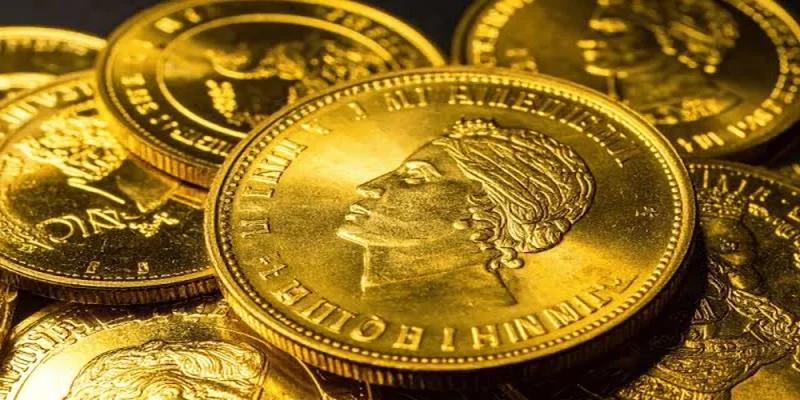
By selling gold jewelry, coins, and bullion, you can earn cash from products you do not need anymore. To make good money from selling those goods, it is not enough just to find somebody to buy them. The price you are offered depends on market changes. Moreover, the price you are going to get depends on many other factors, including the gold purity and weight, the physical condition of the product, and demand. If you are aware of how to do the gold evaluation process, you can make better decisions. You will know how much your gold can cost and will not sell it too cheaply thereafter.
If you have made a decision to sell gold jewelry that used to belong to your relatives or old coins and bars that you used to buy, preparing for selling will help you a lot. If you are going to sell that jewelry, coins, or other products, you can learn more at Austin Coin and Jewelry regarding the selling process and factors that can change the gold price.
1. Understand the Current Gold Market Price
Before you visit a gold retailer, make sure to check the prevailing price of gold purchased. The spot price is the price that gold buyers pay at the moment. This price is generally expressed in terms of price per troy ounce of gold.
Gold prices fluctuate based on economic conditions. Factors such as the value of money, the number of consumers who are willing to buy gold, and various other factors, such as how gold prices are behaving at disparate locations around the world, also play a role in determining gold prices.
Additionally, remember that gold dealers do not generally pay the complete spot price for each ounce of gold. In fact, they tend to consider the cost of smelting, manufacturing, and distribution as factors influencing their offering price.
2. Know the Purity of Your Gold
The value of gold depends on how pure it is. Pure gold is 24 karat. Most jewelry is made from lower-karat gold, so it can last longer and be stronger.
Common gold purity markings include:
- 24K: This is the most pure type of gold. It has around 99.9% gold.
- 22K: This gold has about 91.7% gold in it.
- 18K: It is made with 75% gold.
- 14K: It has around 58.3% gold.
- 10K: It contains about 41.7% gold.
Checking stamps or marks can give you a first idea about the purity of the gold. A professional buyer might use testing tools to find out the real gold amount before giving a price.
3. Weigh Your Gold Before Selling
Weight is a key point when you figure out what gold is worth. Most buyers like to weigh gold in grams or in troy ounces. A troy ounce comes in at about 31.1 grams.
If you can, weigh your jewelry, coins, or bars apart from each other before you go to a buyer. Keep in mind that the full weight of jewelry might have stones, clasps, and other things that are not gold.
For a better price, sellers need to know the gap between total weight and how much gold is in the item. This helps you see if the offer shows what the precious metal is really worth.
4. Understand the Difference Between Jewelry, Coins, and Bullion
Not every gold item has the same value. Gold jewelry is usually checked for how pure it is, how much it weighs, and how it looks. Some designer pieces or old jewelry can have more value when you sell them.
Gold coins can be worth more than just the gold inside them. Some coins are rare or have a long history, and this can help them be even more valued by collectors. If you sell these coins just for their melt value, you may end up missing out on extra money you could get.
Bullion bars and investment coins are valued based on their gold content, weight, purity, and how much people want them. Mints that are well known and refiners with a good name can make it easier to check if bullion is real and sell it again.
5. Compare Offers From Multiple Buyers
One easy way to not take a low offer is to get quotes from several well-known gold buyers. Different companies set their prices in different ways. They may also have different margins, and they use different ways to resell the gold.
Ask every buyer how they worked out what your item is worth. A good buyer will tell you the weight, how pure it is, what the price is in the market, and what has been taken off the value.
Don’t make a fast choice just because the price looks good in the headline. Look at the real amount you will get and see if there are any extra fees for tests, handling, or doing the deal.
6. Check the Buyer’s Reputation and Payment Terms
It is important to choose a reputable buyer just as much as it is important to understand gold prices. Find a company that is trustworthy and easy to contact. The firm should inform buyers about the ways they test the gold before selling it. It is always better if customers have positive feedback about such firms.
It is important to pay attention to the payment method that the buyer prefers and to ask when the payment has to be made. Make sure to learn about the paperwork that you will have to fill out. Don’t forget to keep all your receipts and notes from a transaction for future reference.
Those who want to sell their gold items can learn more at Austin Coin and Jewelry. The website will provide sellers with necessary info concerning how to sell gold correctly.
Getting a good price for gold items depends on knowing what the market says about prices, what the purity and weight are, and how much the item is worth. Before you go to sell, it helps to get ready and check several offers. This way, you make the best choice for your money. It is smart to go with a business that tells you how they set prices for your gold. This makes you feel sure while selling. If you spend some time looking at each item the right way, you can make sure you get a fair deal for your gold items.







Comments