
 By
By 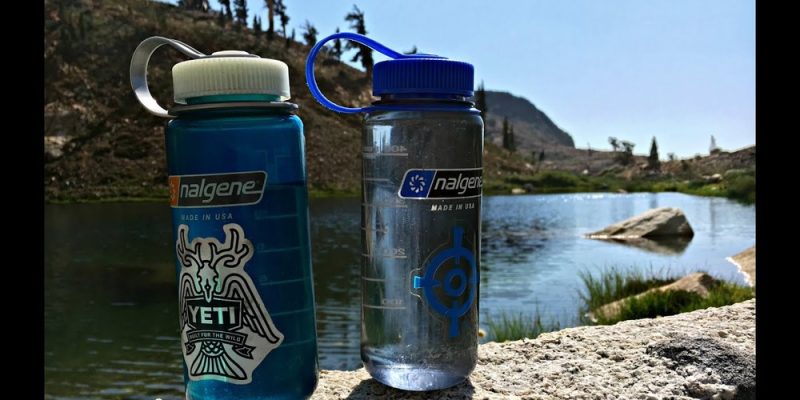
Why choose Nalgene?
Custom Nalgenes bottles have quietly become one of the more reliable formats for personalised drinkware, and the reasons are fairly straightforward once you look at the material. Tritan holds its surface quality over years of use without clouding or softening. HDPE runs denser, with a naturally matte exterior that takes well to engraving and screen processes. Neither warps under standard handling. The cylindrical shape is consistent from base to shoulder, which removes the distortion problem that tapered bottles create for wraparound designs. Partial placements stay where intended without drifting. For production work where accuracy matters and the finished piece needs to hold up through daily use across months or years, this bottle format delivers consistently. It is not complicated. The material and geometry simply work well together for this purpose.
What are the options?
Picking a method is really about matching the technique to what the design actually demands. Laser engraving cuts into the surface itself. Nothing sits on top, so there is nothing to peel away or fade out after heavy washing. That permanence suits certain projects very well. Screen printing works differently, pushing flat colour onto the exterior with results that read boldly from a distance. Logo work especially benefits from this. Vinyl handles the more complex pieces, multi-colour artwork that other methods struggle with, and does it without heat or chemical processing. Pad printing is narrower in scope, precise placements in specific spots, usually secondary marks rather than anything covering large areas. No single method wins every situation. The right one depends entirely on what the design needs to do and what kind of daily handling the bottle will go through once finished.
Engraving versus printing
Laser engraving does not fade because no ink is involved. The process removes material, leaving a mark that is part of the bottle itself. Monochromatic, yes, but completely stable across time and washing frequency.
Printed methods open up colour and visual complexity that engraving cannot reach. Adhesion is the key variable. UV-resistant inks with a proper topcoat hold well and maintain colour quality through regular use without visible loss. Without that finishing layer, printed designs deteriorate faster under consistent handling. The decision is straightforward once design priorities are clear.
Finish and surface
Surface finish affects how customisation reads in practice, and it is worth settling before production begins rather than after.
- Gloss sharpens colour contrast and gives printed work a more saturated, defined look.
- Matte absorbs light evenly, suiting engraved or low-contrast designs where a quieter result fits better.
- Frosted softens the visual without losing legibility across most design types.
- Clear allows interior placement, creating depth without touching the outer surface at all.
Pairing a finish that works against the chosen technique quietly undermines the whole result. Getting that pairing right costs nothing extra and consistently improves the finished piece.
Nalgene bottles give customisation work a surface worth putting effort into. Every method available produces noticeably better results here than on less consistent formats. The quality of the finished piece reflects every decision made along the way.










Comments