
 By
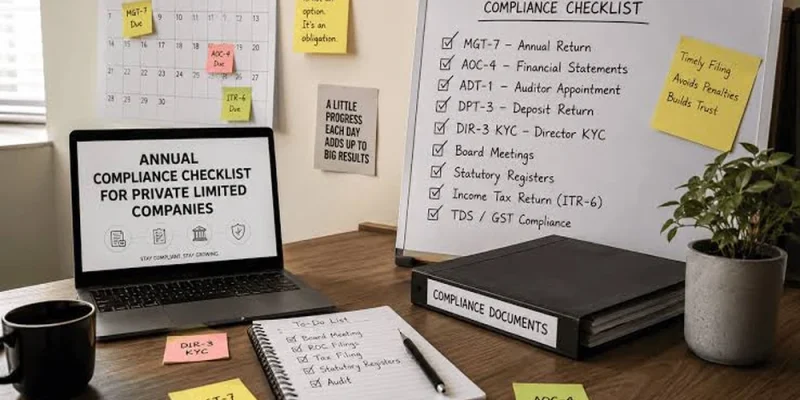
For a company with subsidiaries in several countries, the compliance calendar never really stops. One entity’s annual return is due while another needs its board to approve financial statements, and a third has just changed directors. Without a clear checklist, it is easy for one small obligation to slip through and create penalties or delays down the line.
A structured approach, supported internally or through entity management services, keeps every subsidiary current with its statutory obligations. The checklist below covers the core items most jurisdictions require in some form. Here is how to organize recurring entity compliance across a global group.
Start With a Complete Entity Inventory
- List every legal entity, branch, and representative office.
- Record the jurisdiction, registration number, and incorporation date for each.
- Note the financial year-end, which drives many filing deadlines.
- Identify local advisors, registered agents, and internal owners.
Annual Statutory Filings
- Annual return or confirmation statement: Confirms basic company details with the corporate registry.
- Financial statements: Many jurisdictions require filing of statutory accounts, sometimes audited.
- Tax returns: Corporate income tax and other local tax filings.
- Beneficial ownership updates: Confirmations or changes to ultimate owner records where required.
Corporate Registers to Maintain
- Register of directors and officers: Current and former appointments with dates.
- Register of shareholders or members: Share issuances, transfers, and ownership percentages.
- Register of beneficial owners: Individuals with significant control, where applicable.
- Register of charges or security interests: Loans and pledges secured against company assets.
Board and Shareholder Governance
- Hold required annual meetings or pass written resolutions where permitted.
- Approve financial statements and dividends formally.
- Document major decisions such as new bank accounts, contracts, or loans.
- Keep signed minutes and resolutions in an organized, accessible archive.
Changes That Trigger Filings
Many filings happen outside the annual cycle and often have short deadlines.
- Appointment or resignation of directors or officers.
- Changes to registered address or company name.
- Share capital increases or transfers.
- Amendments to articles of association or bylaws.
Licenses, Registrations, and Local Requirements
Beyond corporate filings, entities may hold business licenses, VAT or sales tax registrations, employer registrations, and industry permits. Each may have its own renewal date. Research by the World Bank research teams on business regulation shows how widely these requirements vary across economies, which is why local expertise matters.
Build a Compliance Calendar
- Pull every recurring deadline into one shared calendar.
- Set reminders well before each due date to allow time for approvals and signatures.
- Assign an owner and backup for each item.
- Review the calendar quarterly for new entities or regulatory changes.
Common Mistakes to Avoid
- Forgetting event-driven filings: Director changes often have tight deadlines.
- Incomplete minutes: Missing documentation can cause problems in audits and due diligence.
- Ignoring dormant entities: Inactive companies usually still have filing obligations.
- Storing records locally only: Central access prevents delays when documents are urgently needed.
Good Standing, Year After Year
A clear checklist turns scattered obligations into a predictable routine. When filings, registers, and board records are kept current in every jurisdiction, global companies stay in good standing and are ready for audits, financing, and new opportunities.









Comments