
 By
The Permian Basin and Its Investment Potential
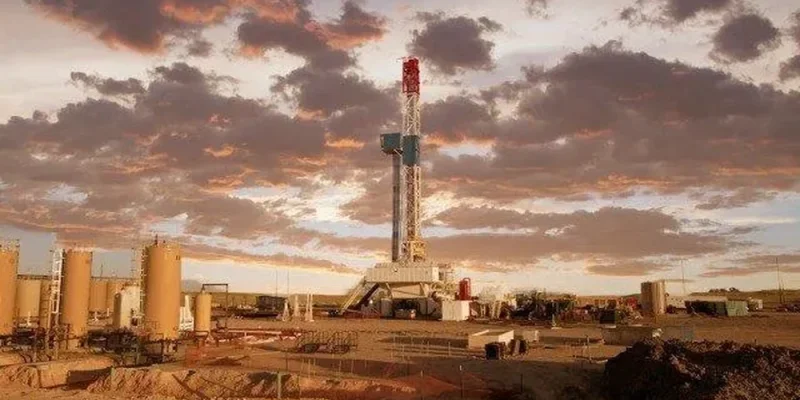
The Permian Basin has become an important area of interest for the energy industry because of its extensive oil and natural gas resources, established production activity, and supporting infrastructure. Spanning western Texas and southeastern New Mexico, the region attracts operators pursuing new drilling projects as well as investors evaluating opportunities connected to existing wells and energy development. Despite its importance, the basin presents financial and operational uncertainties that require careful investigation.
For anyone reviewing an overview of Permian Basin investment opportunities, understanding the region’s geography, infrastructure, operator activity, and market conditions is an essential starting point. Regional production figures can provide useful context, but the performance of an individual investment depends on its specific location, operating costs, contractual arrangements, and production results.
Geography and Regional Production
The Permian Basin includes several geological areas, particularly the Midland Basin and Delaware Basin. Reservoir characteristics, drilling conditions, and well productivity can vary across these areas, affecting development expenses and potential output.
The U.S. Energy Information Administration (EIA) identifies the Permian as a leading source of American crude oil production. Its regional production statistics and forecasts help explain why operators continue to invest in drilling and infrastructure. However, basin-wide figures should not be interpreted as predictions for individual wells. A project’s geology, development history, and production profile must be assessed independently.
Infrastructure and Operator Activity
Infrastructure plays an important role in determining whether oil and gas can reach commercial markets efficiently. Pipelines, processing facilities, storage systems, and transportation connections influence how production is handled and what expenses operators incur.
Continued infrastructure development can improve access to markets, particularly where natural gas production increases faster than existing transportation capacity. Nevertheless, investors should establish whether a specific property has appropriate connections and whether transportation arrangements are sufficient for its expected output.
Operator activity also deserves attention. An experienced operator may have established procedures for drilling, equipment maintenance, and production management. Investors should verify relevant experience, examine previous projects, and investigate the operator’s financial and regulatory history.
Commodity Prices and Operating Expenses
Oil and natural gas prices are influenced by global supply, demand, geopolitical developments, and changes in consumption. These fluctuations can affect project revenue even when production remains stable.
Operating expenses introduce another layer of uncertainty. Drilling, labor, equipment, maintenance, water management, and transportation can affect profitability. Costs may also vary between the Midland and Delaware basins because of differences in geology, infrastructure, and local operating conditions.
Investors should review project budgets and understand the commodity prices required for a well to cover its expenses. Any breakeven estimate should be examined alongside its underlying assumptions rather than treated as a fixed industry standard.
Location-Specific Factors and Project Risks
Two properties in the same basin may have significantly different financial prospects. Differences in reservoir quality, well age, production decline, pipeline access, and development requirements can influence operating performance.
Private investments may also involve restricted liquidity, uncertain distribution schedules, additional capital requirements, and limited opportunities to exit. Investors should examine offering documents, ownership arrangements, production assumptions, and potential expenses before committing funds.
Conducting Independent Research
A thorough assessment combines regional market information with project-specific evidence. Official EIA statistics, relevant regulatory records, operator disclosures, and independent professional advice can help investors identify important questions.
Careful research does not eliminate investment risk, but it can help distinguish broad market enthusiasm from the actual financial and operational characteristics of a particular Permian Basin project.




Comments