
 By
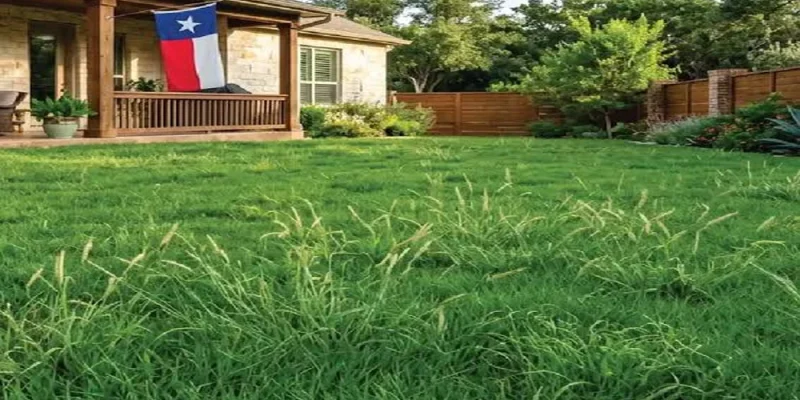
Summer water bills hit commercial properties hard. A single acre of thirsty lawn watered with one inch a week uses about 27,000 gallons every seven days. Swapping that turf for texas native turf seeds is one of the most direct ways a business can bring those numbers down without paving over green space.
Most facility managers searching this topic want proof that the switch pays off. They’re asking how much water they’ll save, how long the change takes and what it costs upfront.
Confusion usually comes from treating the project as a simple seed swap. Native grass needs different soil prep, timing and watering habits. Skip those details, and the new lawn struggles while the irrigation system keeps running at old levels.
Why the Numbers Come First?
Savings only show up if you measure them. A property that doesn’t know its current outdoor water use can’t prove the switch worked. Start with baseline data before any seed goes down.
- Pull 12 months of water bills.
- Separate irrigation meters from building use if possible.
- Measure total turf area in square feet.
- Note current watering days and run times.
- Check local watering restrictions.
Know the Water Math
One inch of water across 1,000 square feet equals about 623 gallons. A traditional lawn in summer often needs an inch or more each week. Established buffalograss or blue grama can survive on a fraction of that, often holding up with deep watering every two to four weeks in dry periods. The limitation is the first season, when new seedlings still need frequent light watering.
Replace in Phases
Converting an entire campus at once can strain budgets and crews. Many businesses start with low traffic areas such as medians, slopes or back lots. These zones often waste the most water through runoff. Phasing spreads costs over two or three seasons, though it means running two irrigation schedules for a while.
Pick the Right Grass Mix
Buffalograss suits full sun areas with moderate foot traffic. Blue grama does well in drier western regions with well-drained soil. Blends of texas native turf seeds combine both for better coverage across mixed conditions. Neither grass handles heavy shade, so shaded spots may need native groundcovers or mulched beds instead.
Upgrade the Irrigation System
New grass won’t save much if sprinklers still run on the old timer. Weather based smart controllers adjust run times using local rainfall and evaporation data. Many commercial sites cut irrigation use noticeably after installing one. The catch is setup: controllers need correct soil type and plant settings to work well.
Look for Utility Rebates
Several Texas water utilities, including San Antonio Water System, have offered rebates or coupons for landscape conversions. Programs change from year to year. Some require preapproval before work begins, so check with your provider before ordering seed.
Action Plan
- Gather a year of water bills to set a baseline.
- Map turf areas by size, sun and foot traffic.
- Check for available utility rebates.
- Choose low traffic zones for phase one.
- Remove existing turf or kill it off before seeding.
- Sow native seed between April and June.
- Water lightly until seedlings establish, then cut back.
- Install or reprogram a smart irrigation controller.
- Compare water bills month by month against the baseline.
Frequently Asked Questions
- How much water can a business save? It varies by site, but established native turf often needs far less irrigation than traditional lawns.
- How long before savings appear? Usually by the second summer, once roots are fully established.
- Will native grass stay green all summer? It may turn tan during long dry spells, then green up after rain.
- Can we keep using our existing sprinklers? Yes, though run times should be cut sharply after establishment.
- Do native lawns need fertilizer? Very little. Heavy feeding often helps weeds more than grass.
Lower water bills don’t come from a single planting day. They come from measuring where you started, converting in sensible steps and adjusting habits as the grass matures. A steady, well tracked approach will deliver more savings than chasing a perfect lawn overnight.












Comments