
 By
By 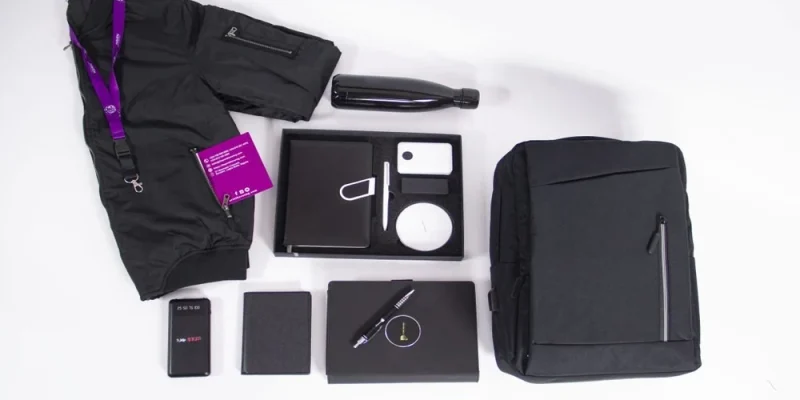
Forget the branded pen that gets lost in a desk drawer or the generic tote bag that ends up as a forgotten grocery sack. The real power of a promotional item lies in its ability to forge a lasting connection, whether that’s with your team or with your most valued clients. But what actually makes a promotional product stand out and do its job?
Myth 1: Any Promotional Item Will Automatically Engage Employees and Clients
It’s tempting to think that simply handing out items with your logo will spark instant loyalty. The truth? Picking random items rarely creates impact.
Why Choosing Random Items Fails to Create Impact
A poorly matched product can have the opposite effect, signaling a lack of thought or care. For example, gifting a tech gadget to a group that prefers hands-on, outdoor experiences is a mismatch that leaves both the recipient and your brand underwhelmed.
The Importance of Relevance and Practicality
Practical, relevant items, think sleek water bottles for active teams or stylish notebooks for creative professionals, keep your brand in the daily rotation, not the trash. It’s about choosing something that fits seamlessly into the recipient’s life.
Myth 2: The Cheapest Items Deliver the Best ROI
The lure of budget-friendly giveaways is hard to resist. However, skimping on quality can sabotage your strategy.
The Hidden Costs of Low-Quality Promotional Products
Cheap gifts may break or wear out quickly, associating your company with poor quality. Worse, they can go unused, turning a marketing budget into wasted resources.
How Perceived Value Influences Brand Image and Engagement
Studies show that recipients assign value to your brand based on the value they perceive in the gift. High-quality, durable items say you value the relationship and can dramatically increase the chances that your brand is remembered positively.
Myth 3: More Logos Mean More Brand Recognition
There’s an instinct to plaster logos everywhere, hoping that recognition follows. But subtlety often wins.
Why Overbranding Can Backfire
Too much branding can feel pushy or impersonal. Instead of fostering goodwill, recipients may avoid using the item in public.
Striking the Right Balance Between Branding and Usefulness
A tasteful logo placement, combined with thoughtful design, ensures the item is both functional and brand-boosting. When clients or employees love using your promotional item, your brand travels with them naturally.
Myth 4: All Employees and Clients Have the Same Preferences
Assuming a one-size-fits-all approach nearly always misses the mark.
The Need for Segmentation and Personalization
Segmenting your audience and offering personalized options makes recipients feel valued. Tailoring items to specific groups, roles, or interests goes a long way in making your gift memorable.
How Customization Drives Deeper Connections
Small touches, like personalized names, color choices, or custom packaging, make people feel truly seen and appreciated, boosting engagement far more than any generic product.
Myth 5: Promotional Items Are Just Marketing Tools, Not Engagement Drivers
Gifts are more than tokens; they are emotional triggers.
The Psychological Effects of Gifts on Loyalty and Productivity
Receiving a thoughtful, no-strings-attached gift activates powerful feelings of gratitude. Employees feel recognized, leading to higher morale and productivity. Clients feel valued, making them more likely to recommend you or return.
Real Examples of Employee Engagement Boosted by Thoughtful Giveaways
Companies that invest in employee wellness gifts, for example, often report measurable improvements in satisfaction and performance. These aren’t just trinkets, they’re relationship builders.
Myth 6: Bigger is Always Better When It Comes to Promotional Gifts
Flashy doesn’t always equal effective.
Why Size and Practicality Matter More Than Flashiness
Oversized or impractical gifts are likely to be left at home or discarded. A compact, well-designed item, on the other hand, gets used more often, keeping your brand in constant view.
Case Studies of Small, Effective Items That Create Lasting Impressions
Think of the pen that never skips, the mug that becomes a desk staple, or the power bank that saves someone’s day. These seemingly small items can create outsized loyalty and positive associations.
Myth 7: One-Time Distribution Is Enough to Build Long-Term Relationships
Longevity in relationship-building matters.
The Power of Consistency and Follow-ups in Promotional Strategies
A single giveaway is quickly forgotten. Consistent gifting, especially tied to milestones or achievements, keeps the connection fresh and meaningful.
How to Develop a Sustainable Promotional Item Program
Establish a calendar of well-timed touchpoints, onboarding, anniversaries, holidays, and vary the items to keep things interesting. This strategy strengthens loyalty and keeps your brand top of mind.
Choosing the Right Promotional Items: Evidence-Based Criteria for Success
The best promotional items are never chosen at random. They are the result of a thoughtful process that factors in audience needs, brand values, and overall strategy.
– Alignment with Company Values: Choose items that reflect your brand’s mission and ethics.
– Audience Fit: Consider the daily habits and preferences of your recipients.
– Smart Budgeting: Prioritize quality within your budget for maximum impact.
– Timing and Presentation: Deliver items at meaningful moments, with attention to packaging and personalization.
For those seeking to elevate their approach, experts recommend exploring tailored solutions like produits promotionnels Concept Plus, which specialize in understanding your business goals and delivering impactful results.
At the end of the day, the best promotional items are not the most expensive or the flashiest. They are the ones that make the recipient feel understood, valued, and genuinely connected to your brand. That’s the real secret to engagement.






Comments