
 By
By 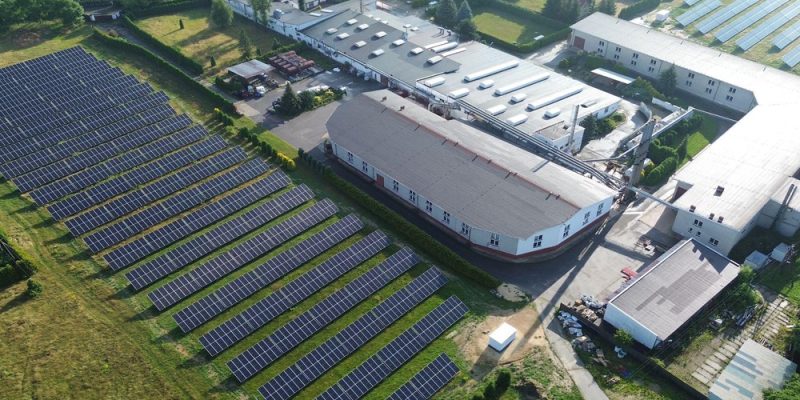
Key Takeaways
- Renewable imports and storage systems improve supply stability and reduce emissions.
- Time-based energy use helps businesses align operations with renewable availability.
- Digital tools provide clearer visibility into energy sources and carbon intensity.
Introduction
The industrial electricity supply in Singapore is undergoing a structural shift as renewable energy in Singapore becomes a larger part of how power is generated and distributed. Businesses that once relied on stable, fossil-based electricity now operate within a system that responds to weather patterns, regional imports, and evolving infrastructure. This transition introduces new variables into daily operations, particularly for facilities that depend on consistent energy availability. Understanding how these changes affect supply allows businesses to adjust processes, manage expectations, and respond more effectively to a grid that no longer behaves in predictable ways.
1. Expansion of Low-Carbon Energy Imports
Singapore has increased its reliance on imported clean electricity to reduce emissions linked to local generation. This approach allows the industrial electricity supply to include a growing share of renewable sources without requiring large-scale domestic production. For businesses, this shift changes how electricity is sourced and how emissions are accounted for in reporting. As imports become more consistent, companies may notice gradual changes in the carbon profile of their energy use, which can influence how they position themselves within sustainability frameworks.
2. Deployment of Large-Scale Energy Storage
Renewable energy output varies depending on environmental conditions, which creates challenges in maintaining a stable supply. Battery energy storage systems help balance this variability by storing excess energy and releasing it when needed. For industrial users, this development supports a more reliable supply, even when renewable generation fluctuates. As storage capacity increases, businesses can expect fewer disruptions related to sudden changes in energy availability, which supports more consistent operations.
3. Greater Emphasis on Time-Based Consumption
The availability of renewable energy introduces periods where electricity supply becomes more abundant, particularly during daylight hours when solar generation peaks. This has encouraged a shift towards time-based consumption, where businesses adjust operations to align with periods of higher renewable output. By scheduling energy-intensive processes during these times, companies can reduce reliance on more expensive or carbon-intensive sources. This approach requires coordination within operations but offers a practical way to adapt to changing supply patterns.
4. Growth of On-Site Generation and Export
Industrial facilities increasingly incorporate on-site generation through solar installations, which allows them to produce part of their own electricity. When production exceeds internal demand, excess energy can be exported back into the industrial electricity supply. This dynamic changes the role of businesses from passive consumers to active participants in the energy ecosystem. Over time, this shift supports more flexible energy management, where facilities balance internal generation with external supply based on operational needs.
5. Increased Transparency Through Digital Systems
The integration of renewable energy has driven the need for more advanced monitoring and reporting tools. Businesses now have access to detailed data that shows not only how much energy they use but also the source and associated carbon intensity. This level of transparency allows companies to make informed decisions about when and how they consume electricity. It also supports reporting requirements by providing accurate data that reflects real-time conditions rather than estimated averages.
Conclusion
The transformation of the industrial electricity supply reflects a broader transition towards a more dynamic and responsive energy system. As renewable energy in Singapore continues to expand, businesses must adapt to new patterns of availability, pricing, and reporting. By understanding these changes, companies can align their operations with evolving energy conditions and maintain stability within an increasingly complex environment.
Contact Flo Energy Singapore to adapt your industrial electricity supply strategy to renewable energy in Singapore.











Comments