
 By
By 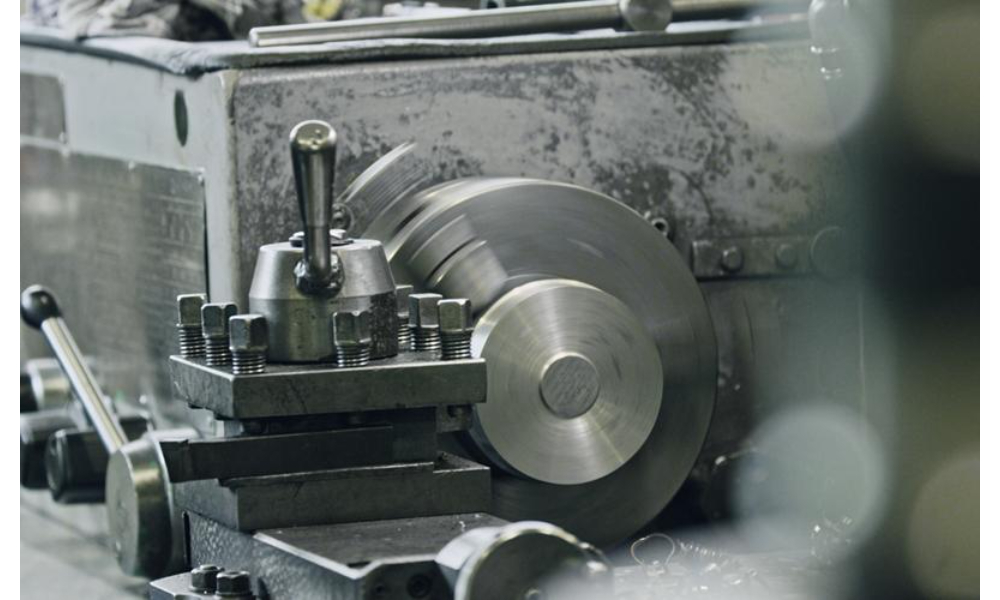
From rough stock to refined shapes, the journey of metal through a CNC lathe is one of control, precision, and rhythm. This machine blends mechanical skill with digital accuracy to produce uniform parts that keep industries running smoothly. Every turn, cut, and feed follows a plan designed for consistency.
The Foundation of Turning
A CNC lathe works on a simple principle: rotate the workpiece while a cutting tool shapes it. Unlike milling, which moves the tool in multiple directions, lathes focus on rotation to achieve balance and symmetry. The process may look simple, but its precision lies in the details.
When the raw metal is clamped onto the spindle, the machine spins it at a controlled speed. The cutting tool then moves along the axis, gradually shaving material away. The coordination between rotation and cutting depth defines the accuracy of the finished piece. By adjusting tool paths and speeds, machinists can create anything from cylindrical shafts to threaded parts with consistent measurements.
The Control System Behind Precision
Automation ensures consistency throughout every operation. Each CNC lathe follows programmed paths that determine movement, speed, and depth. Machinists input these values into the control panel, and the machine repeats them with reliable precision. With clear instructions, every component mirrors the design exactly, ensuring even large batches stay uniform.
Sensors and feedback systems track speed, torque, and vibration in real time. When readings shift, the system makes automatic corrections. This coordination keeps operations smooth and prevents errors from escalating. Stable processes produce consistent results and longer machine life.
How Machining Manufacturers Apply CNC Lathes
Across various sectors, machining manufacturers depend on lathes to produce parts that require precision and durability. The automotive and aerospace fields use them for shafts, bearings, and connecting components. In healthcare technology, where precision is critical, lathes ensure accuracy in every piece.
Efficiency thrives on repetition. Once properly set up, the equipment produces identical results with minimal monitoring. This dependable process helps maintain production flow and consistent quality across large orders.
Tooling, Materials, and Accuracy
Precision relies on well-matched tools and materials. Cutting inserts need to stay sharp, and tool geometry must match the material’s properties. Different metals react uniquely to pressure and speed, so careful planning matters.
For machining manufacturers, maintaining tooling systems ensures dependable output. Regular calibration, cleaning, and replacement prevent wear from disrupting quality. With steady care, operations achieve both accuracy and efficiency that clients can rely on.
Practical Turning Techniques
The fundamentals of turning continue to guide workshops that prioritise consistency and quality. Operators use tried and tested methods to maintain stable production. Multi-axis machines assist in shaping detailed profiles efficiently, supporting uniform output across every run.
Preparation plays a major role in precision. By reviewing machining paths, teams ensure that each setup follows the planned design. Simulations and inspections confirm that settings remain accurate before production starts. The collaboration between planning and practice keeps machining reliable and well-controlled.
Human Skill Meets Automation
Technology may control the movements, but human understanding gives context to the process. Skilled machinists still oversee tool selection, setup, and quality checks. Their expertise ensures that automation delivers what the design intends. Even with advanced sensors and controls, observation and intuition remain vital.
Training also shapes quality. Operators who understand both machine mechanics and software systems can identify inefficiencies before they impact output. This blend of hands-on skill and technical awareness defines modern production environments.
Why the CNC Lathe Matters
The CNC lathe is more than a machine; it is the backbone of precise fabrication. It supports industries where consistency defines success. From metal fittings to aerospace components, its ability to balance automation and craftsmanship keeps production steady and predictable.
For machining manufacturers, investing in well-maintained and well-programmed lathes ensures long-term value. Each accurate cut builds trust in the finished product. By combining digital precision with expert oversight, the process turns raw material into dependable performance. Contact Disk Precision Group to see how advanced CNC lathe operations can support your next project with reliability, consistency, and expert precision.












Comments